Why Do Banks Reject Personal Loans Even with a Good Salary? 7 Reasons Borrowers Should Know

Table of content
- Introduction
- Why Banks Reject Personal Loan Applications Despite a Good Salary
- 7 Common Personal Loan Rejection Reasons
- How the Debt-to-Income Ratio Affects Personal Loan Eligibility
- How Existing EMIs Affect Your Loan Approval
- What to Do After Your Personal Loan Gets Rejected
- How to Improve Your Chances of Personal Loan Approval
- Conclusion
- Frequently Asked Questions
Introduction
You have a good monthly salary, a stable job and enough income to manage your expenses. So, when you apply for a personal loan, you naturally expect the bank to approve it. But what happens when your application gets rejected? Many salaried people face this situation and wonder what went wrong. The truth is that banks look at more than just your monthly income before approving a loan.
Understanding the common Personal Loan Rejection Reasons can help you avoid mistakes and prepare a stronger application. Your credit score, existing EMIs, repayment history and employment details can all influence the bank's decision. In this blog, we explain seven reasons banks reject personal loans and share simple ways to improve your chances of approval.
Why Banks Reject Personal Loan Applications Despite a Good Salary
A good salary is important when applying for a personal loan, but it does not guarantee approval. Banks want to know whether you can comfortably repay the loan each month. For example, two employees may earn ₹70,000 each. One has no existing loans, while the other pays ₹35,000 in monthly EMIs.
Although their salaries are the same, their ability to manage another loan is different. This explains Why banks reject personal loan applications even when borrowers earn a reasonable income. Banks also consider your credit history, employment stability and financial responsibilities before making a decision. Understanding your personal loan eligibility before applying can help you choose a suitable loan amount.
7 Common Personal Loan Rejection Reasons
Here are seven important factors that can affect your personal loan application.
1. Low CIBIL Score or Poor Credit History
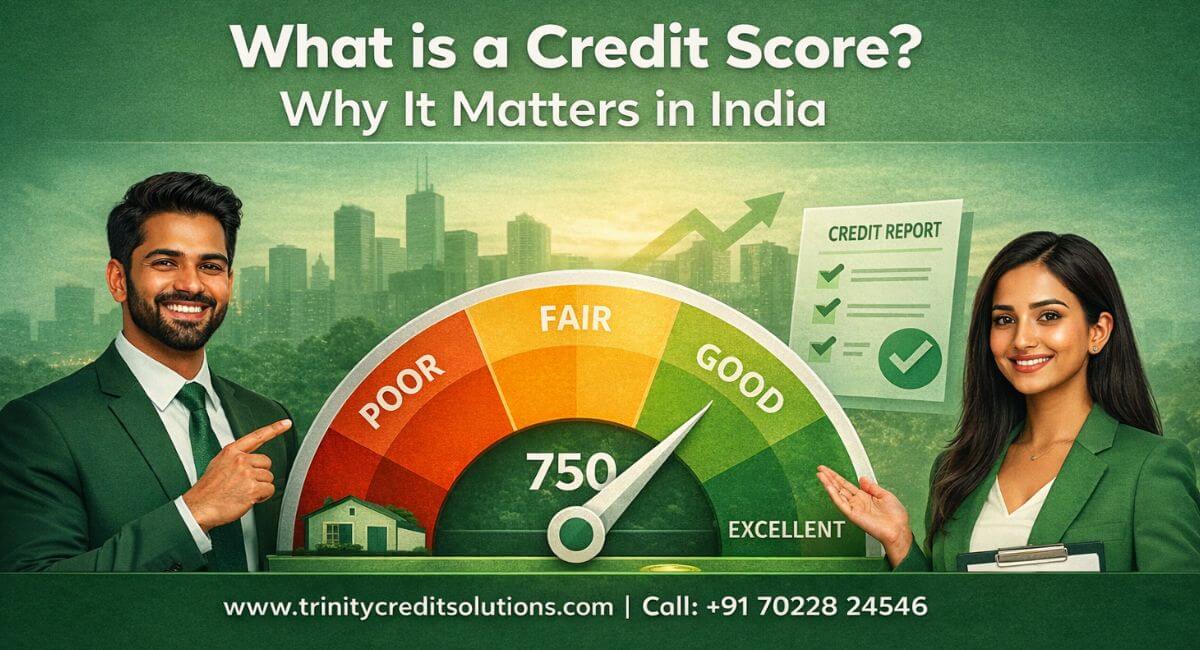
Your CIBIL score helps banks understand how you have managed borrowed money in the past. A score of 750 or above is generally considered favourable, although lenders have different requirements. If you have missed EMIs, delayed credit card payments or defaulted on previous loans, banks may consider your application risky. Even someone earning ₹1 lakh per month may face rejection because of a poor repayment history. Checking your credit report regularly can help you identify problems before applying. You can learn more about credit scores through the official TransUnion CIBIL website.
2. Too Many Existing Loans and EMIs
Having several ongoing loans can reduce your chances of getting another one. For example, you may already be paying EMIs for a car loan, home loan or personal loan. Even with a good salary, these payments reduce the money available for another EMI. Banks want to make sure you have enough income left for household expenses and new loan repayments. Clearing smaller loans or reducing outstanding debt may help strengthen your application.
3. High Credit Card Usage
Using most of your available credit card limit may affect how lenders view your financial situation. For example, if your credit card limit is ₹1 lakh and you regularly use ₹90,000, it may suggest that you depend heavily on credit. This can raise concerns even when you pay your bills. Keeping credit card balances manageable and paying bills on time can support a healthier credit profile.
4. Frequent Job Changes or Unstable Employment
Banks generally prefer borrowers with a steady source of income. If you have recently joined a company or changed jobs several times, some lenders may want additional employment details. This does not mean changing jobs automatically leads to rejection. However, lenders may consider your work experience, current employer and income stability. Waiting until you meet the bank's employment requirements may improve your chances.
5. Applying for Multiple Loans Together
Applying to several banks within a short period may create multiple credit enquiries. When lenders check your credit report during loan applications, these are usually recorded as hard enquiries. Too many recent applications may make banks question your borrowing needs. Instead of applying everywhere, compare eligibility requirements and choose lenders that match your financial profile.
6. Incorrect Information or Missing Documents
Sometimes, loan applications are rejected because of simple documentation problems. A mismatch in your name, salary details, address or employment information can delay verification. Banks may also reject applications when important documents are missing or cannot be verified. Before submitting your application, check that your PAN details, bank statements, salary slips and other records are accurate.
7. Loan Amount Higher Than Your Repayment Capacity
You may earn a good salary but still request more money than the bank considers affordable. For example, a person earning ₹60,000 per month may apply for a large personal loan requiring an EMI of ₹30,000. If that person already has other financial commitments, the lender may decide the requested amount is too high. Choosing a realistic loan amount can improve your chances of approval.
How the Debt-to-Income Ratio Affects Personal Loan Eligibility
The debt-to-income ratio for personal loan applications helps lenders understand how much of your monthly income goes towards existing debt payments. It is calculated by dividing your total monthly debt payments by your monthly income and multiplying the result by 100. For example, suppose your monthly income is ₹80,000 and your existing EMIs total ₹32,000.
Your debt-to-income ratio would be: ₹32,000 ÷ ₹80,000 × 100 = 40%
This means 40% of your monthly income is already committed to debt repayments. Banks may use different income definitions and affordability calculations, including fixed obligation-to-income ratios. A lower ratio generally indicates that you have more income available for additional repayments. There is no single acceptable ratio for every lender. The decision depends on the bank's policy and your overall financial situation.
How Existing EMIs Affect Your Loan Approval
The Existing EMI impact on loan eligibility is one of the main reasons borrowers receive smaller loan offers or face rejection. Banks calculate how much money you have left after paying existing loan instalments.
Consider this example:
| Monthly Financial Details | Amount |
| Take-home salary | ₹75,000 |
| Home loan EMI | ₹22,000 |
| Car loan EMI | ₹12,000 |
| Other loan EMI | ₹6,000 |
| Total existing EMIs | ₹40,000 |
| Income remaining before living expenses | ₹35,000 |
In this situation, more than half of the person's salary is already used for loan repayments. The bank may consider another personal loan difficult to manage. Reducing existing EMIs before applying can improve your repayment capacity. You can also use a personal loan EMI calculator to estimate monthly payments before choosing a loan amount.
What to Do After Your Personal Loan Gets Rejected
Having a Personal Loan Rejected with Good Salary can feel disappointing, especially when you have planned an important expense. However, rejection does not mean you will never qualify for a loan. Start by contacting the lender and asking for the reason behind the decision. The bank may explain whether the problem relates to your credit history, existing debt, documents or eligibility requirements.
Next, review your credit report for missed payments, outstanding balances or incorrect information. If you find an error, raise a dispute with the credit bureau or relevant lender. Avoid submitting several new applications immediately. First, understand what needs improvement. You can also explore ways to improve your CIBIL score before applying again.
How to Improve Your Chances of Personal Loan Approval
Improving your loan eligibility does not always require a higher salary. Sometimes, better financial planning can make a difference. Start by paying your existing EMIs and credit card bills on time. Regular repayments help build a positive credit history. Try to reduce outstanding loans wherever possible. This can lower your monthly financial commitments and improve your ability to manage another EMI.
Choose a loan amount that matches your income and regular expenses. Borrowing only what you need can make repayment easier. Maintain accurate financial documents and check the lender's eligibility conditions before applying. You can also compare interest rates, processing fees and repayment terms across different lenders. For more information about responsible borrowing and banking practices, visit the Reserve Bank of India. Remember that no single step guarantees approval. Banks make their decisions based on several financial and eligibility factors.
Conclusion
A good salary can help you get a personal loan, but banks also check your credit score, existing EMIs and repayment history. Understanding the common Personal Loan Rejection Reasons can help you avoid mistakes and prepare better. If your loan has been rejected, find out why, clear pending dues and choose a loan amount that fits your monthly budget.
Need help understanding why your personal loan was rejected? Trinity Credit Solutions can help you understand your credit profile and take steps to improve it. Contact Us to know more and prepare for your next loan application.
Frequently Asked Questions
Can I apply again after my personal loan gets rejected?
Yes. It is better to understand the rejection reason, correct any problems and review your eligibility before applying again.
Does personal loan rejection affect my CIBIL score?
A rejection itself does not directly reduce your score. However, the hard credit enquiry made during the application may have a small impact.
Do existing EMIs affect personal loan eligibility?
Yes. Higher existing EMIs reduce your available monthly income and may affect the amount you can borrow.
Can I get a personal loan with a 700 CIBIL score?
Yes, some lenders may consider a score of 700. However, approval depends on your income, existing debts and the lender's requirements.
Why was my personal loan rejected despite having a good salary?
Banks consider your credit score, existing EMIs, employment stability, repayment history and loan amount. A good salary alone does not guarantee approval.

Trinity