Multiple EMIs and Rising Debt in 2026: How to Manage Personal Loans, Credit Cards and Monthly Repayments
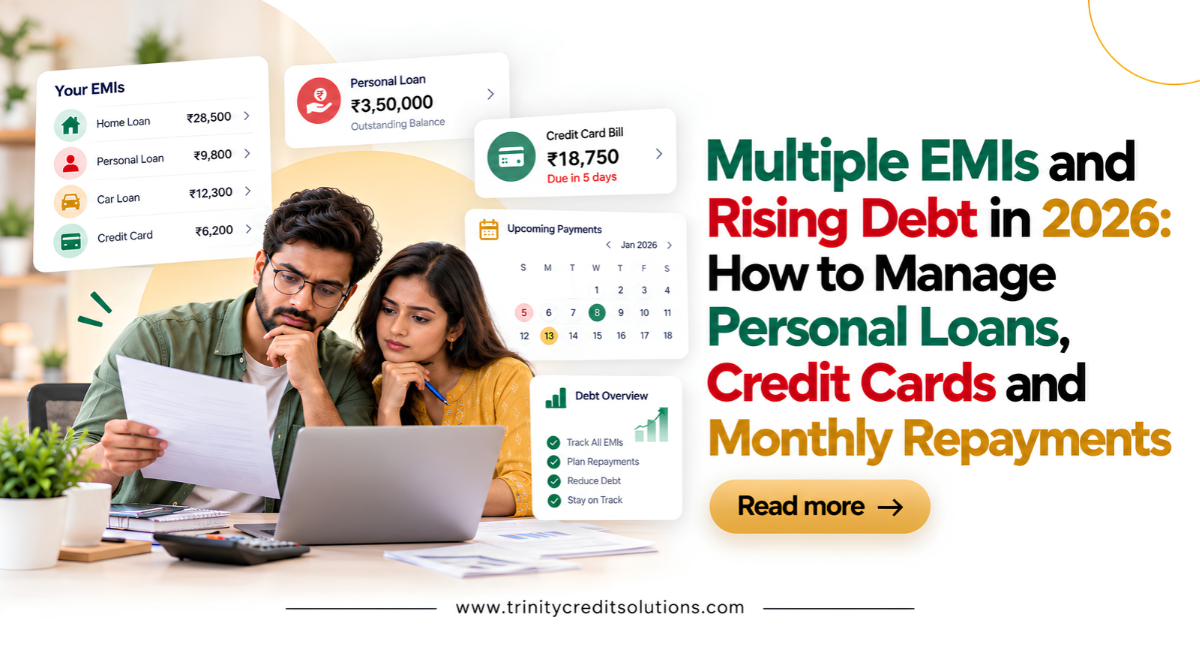
Table of content
1. Introduction
2. Why Managing Multiple EMIs Is Becoming Difficult in 2026
3. How to Manage Multiple EMIs Without Financial Stress
4. How to Reduce Your Monthly EMI Burden
5. Managing Personal Loans and Credit Card Repayments
6. Is Debt Consolidation a Good Option for Multiple Loans?
7. How to Create a Monthly Debt Repayment Plan
8. Common Mistakes to Avoid While Managing Debt
9. Conclusion
10.Frequently Asked Questions
Introduction
Managing monthly expenses can become stressful when you have several loans to repay. A home loan EMI, personal loan, credit card bill and other payments can take away a large part of your salary before the month even begins. For many working professionals and families in Bangalore, balancing rent, household expenses, school fees and loan repayments is not always easy. When multiple payment dates and interest charges come together, it becomes difficult to manage money comfortably.
Understanding how to Manage Multiple EMIs can help you take better control of your monthly finances. The good news is that you do not always need a higher salary to improve your situation. Careful budgeting, timely repayments and practical financial decisions can make a difference. This guide explains simple ways to manage debt, reduce repayment pressure and build healthier financial habits in 2026.
Why Managing Multiple EMIs Is Becoming Difficult in 2026
Loans help people meet important financial needs, such as buying a home, purchasing a vehicle or handling unexpected expenses. However, managing several loans at the same time can become challenging. For example, a person earning ₹70,000 per month may already be paying ₹20,000 towards a home loan, ₹10,000 for a personal loan and ₹8,000 towards credit card repayments.
This leaves only ₹32,000 for household expenses, savings and emergencies. If an unexpected medical bill or family expense comes up, managing the remaining budget can become difficult. For people looking for Debt Management in Bangalore, understanding monthly income and financial commitments is an important first step. Rising debt is not always caused by unnecessary spending. Sometimes, emergencies, income changes and unavoidable family responsibilities also contribute to financial pressure. Recognising these challenges early can help prevent further borrowing.
How to Manage Multiple EMIs Without Financial Stress
The first step in managing multiple loan repayments is understanding exactly how much you owe. Many people remember their monthly EMI amounts but do not regularly check the total outstanding loan balances. Start by reviewing your loan statements and credit card bills. Write down the remaining loan amount, interest rate, monthly EMI and payment deadline for each account.
For example, you may have three loans with different interest rates and repayment periods. Knowing these details helps you decide which debt needs attention first. Try to keep enough money in your bank account before every EMI date. Setting payment reminders or using automatic payments can help prevent missed deadlines. You can also review your credit profile through the Credit Health Checkup service offered by Trinity Credit Solutions. The aim is to create a clear picture of your financial responsibilities so that repayment decisions become easier.
How to Reduce Your Monthly EMI Burden
If loan repayments are taking up most of your income, you may wonder How to reduce monthly EMI burden without affecting essential expenses. There are several practical options worth considering.
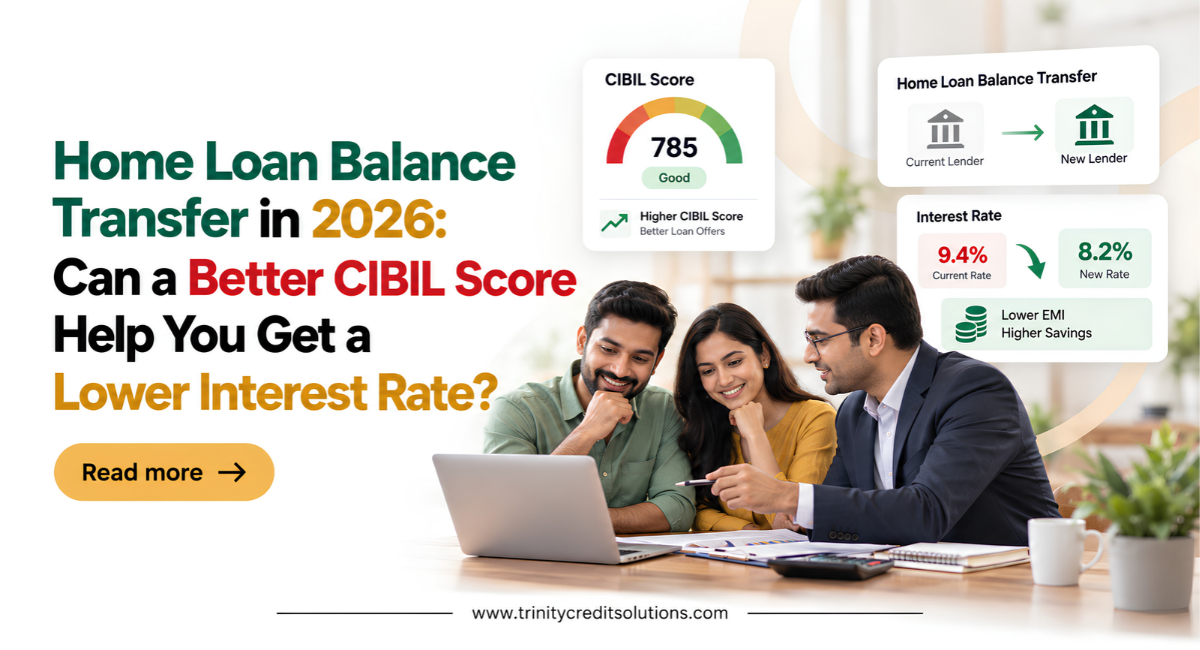
Review Your Existing Loan Interest Rates: Check whether your current loan interest rates are higher than other available offers. If you qualify for a lower rate, refinancing or transferring an eligible loan may reduce your monthly repayment. However, compare processing fees, foreclosure charges and total interest costs before making a decision.
Consider Extending the Loan Tenure: Some lenders may allow eligible borrowers to extend their repayment period. A longer tenure can reduce the monthly EMI, making it easier to manage your budget. However, you may pay more interest over the full loan period.
Make Partial Prepayments When Possible: If you receive a bonus or have extra savings beyond your emergency fund, consider making a partial loan repayment. This can reduce the outstanding principal and may lower future interest costs. Check your lender's prepayment rules before proceeding.
Managing Personal Loans and Credit Card Repayments
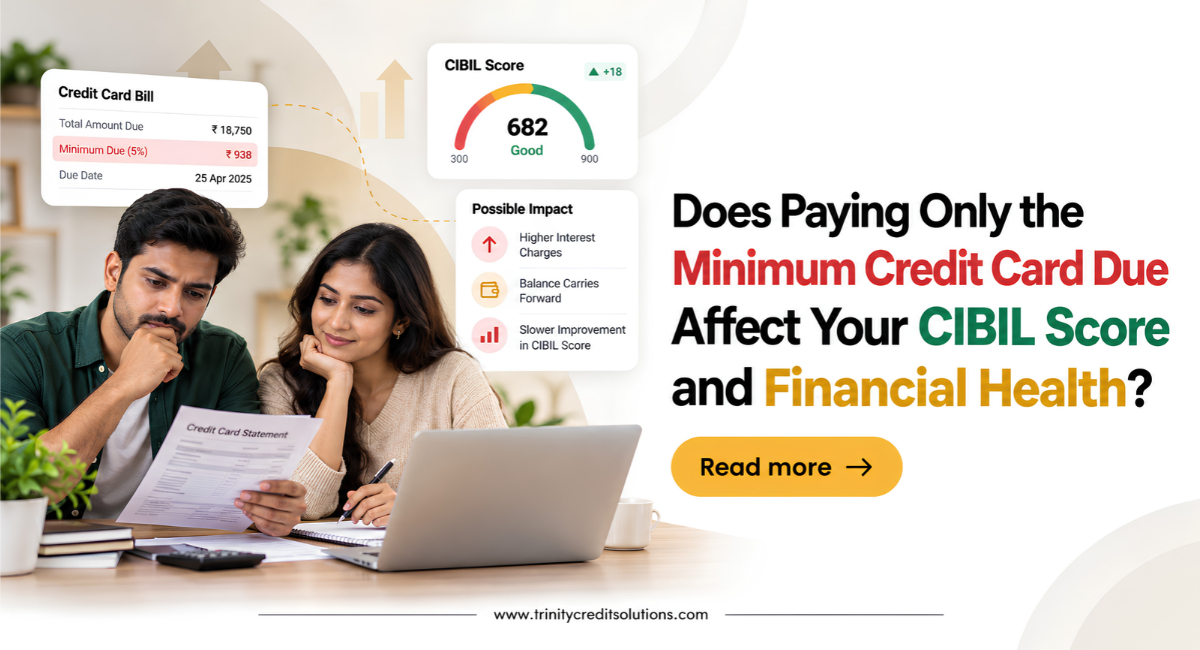
Personal loans and credit cards can be useful during financial emergencies, but both require careful repayment planning. Credit card debt can become especially expensive when you regularly pay only the minimum amount due. The unpaid balance may continue attracting interest, increasing the amount you owe.
For example, if your credit card bill is ₹40,000 and you pay only ₹2,000, the remaining balance generally continues attracting interest. Personal loans usually have fixed monthly instalments, making them easier to plan for when your income is stable. However, taking another personal loan to pay an existing EMI can create additional financial pressure. Try to reduce unnecessary credit card spending while clearing existing balances. You can also use the Credit Analyzer service to better understand your credit report and outstanding financial commitments. According to the Reserve Bank of India, borrowers should carefully review loan terms, interest rates and repayment obligations before accepting credit.
Is Debt Consolidation a Good Option for Multiple Loans?
Debt consolidation means combining multiple eligible debts into one new loan. Instead of paying several EMIs to different lenders, you may have one monthly repayment. For example, someone with two personal loans and outstanding credit card debt may consider a consolidation loan to simplify repayments. However, debt consolidation is not suitable for everyone.
Understanding Debt Consolidation Loan Eligibility: Debt consolidation loan eligibility depends on several factors, including your income, credit score, existing debt and repayment history. Lenders also consider whether you can comfortably manage the new EMI. A consolidation loan may reduce monthly payments if it offers a lower interest rate or longer repayment period. However, a longer tenure may increase the total interest paid. Always compare the total repayment amount, processing charges and other conditions before accepting a new loan. Debt consolidation should help you manage existing borrowing, not encourage additional spending.
How to Create a Monthly Debt Repayment Plan
A simple repayment plan can help you understand where your salary goes every month.
Consider this example for a salaried employee:
Monthly Financial Details Amount
Monthly take-home salary ₹80,000
Home loan EMI ₹20,000
Personal loan EMI ₹10,000
Credit card repayment ₹8,000
Household expenses ₹25,000
Remaining amount ₹17,000
In this example, ₹38,000 goes towards debt repayments. The remaining ₹17,000 must cover savings, emergencies and other personal needs. Start by separating essential expenses from optional spending. Avoid taking new loans for purchases that can wait. If possible, use part of your available money to reduce high-interest debt while maintaining an emergency fund. Review your repayment plan every month because income and expenses may change. You can also explore the Individual Credit Report service to understand how your existing loans and repayment history appear in your credit profile.
Common Mistakes to Avoid While Managing Debt
Managing several loans requires regular attention. Small mistakes can make repayment more expensive. One common mistake is missing an EMI because the payment date was forgotten. Late payments may lead to additional charges and can affect your credit history. Another mistake is using credit cards to manage regular household expenses without a clear repayment plan.
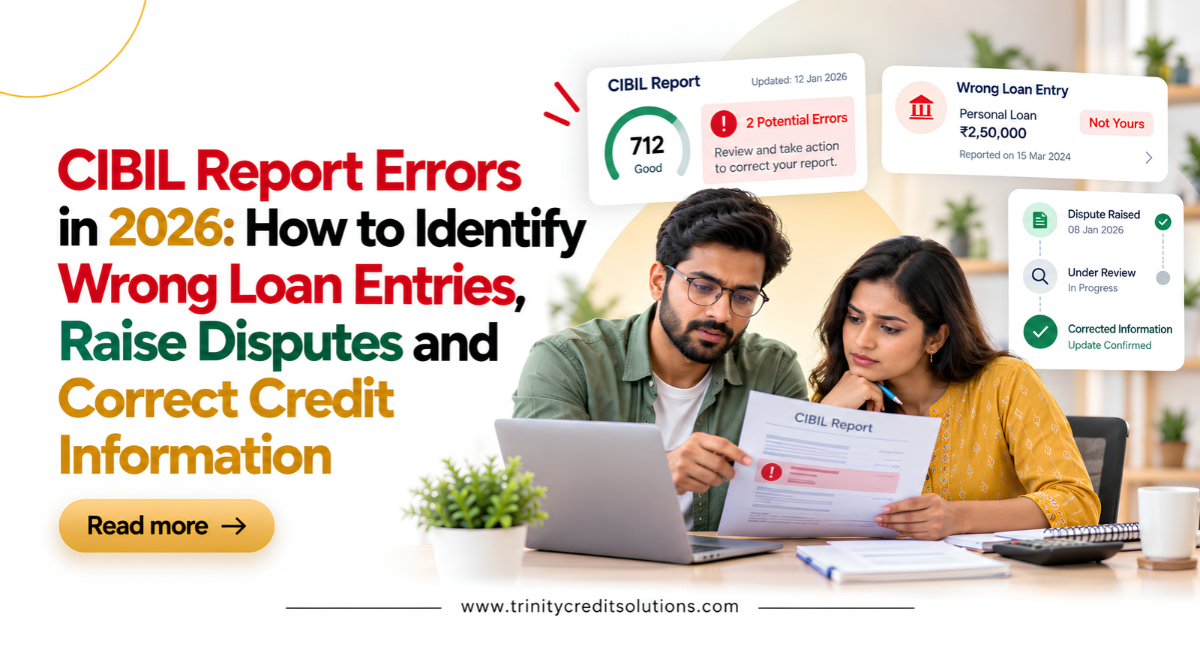
Some borrowers also take new loans to clear old debts without checking whether the new loan actually reduces their overall costs. Ignoring loan statements and credit reports can make it harder to identify growing outstanding balances. According to TransUnion CIBIL, repayment history and credit behaviour are important factors in maintaining a healthy credit profile. If repayments are becoming difficult, contact your lender early to discuss available options rather than waiting for missed payments.
Conclusion: Take Control of Your Monthly Repayments
Managing several loans can be stressful, but a few simple steps can make things easier. Understanding how to Manage Multiple EMIs starts with checking your loan balances, planning your monthly budget and paying EMIs on time. Try to reduce high-interest debt and avoid taking new loans unless necessary. If you find it difficult to manage repayments, speak with your lender and explore suitable options.
Looking for guidance on Debt Management in Bangalore? Trinity Credit Solutions can help you understand your credit report and take steps towards better financial health. Contact us to know more and get guidance on managing your credit-related concerns.
Frequently Asked Questions
Can banks reduce my EMI if I am facing financial difficulties?
Some lenders may offer eligible borrowers options such as tenure changes or loan restructuring. Availability depends on the lender's policies and your financial circumstances.
Is it better to repay a personal loan or credit card debt first?
High-interest credit card debt may deserve priority because it can become expensive quickly. However, continue making required payments on all loans to avoid overdue accounts.
Does having multiple EMIs affect my CIBIL score?
Having multiple loans does not automatically reduce your score. However, missed payments, high outstanding balances and frequent credit applications may affect your credit profile.
Can I combine multiple loans into one EMI?
Yes, some lenders offer debt consolidation loans for eligible borrowers. Approval depends on your income, credit history and repayment capacity.
How can I manage multiple EMIs with a limited salary?
Start by preparing a monthly budget, tracking repayment dates and reducing unnecessary expenses. Prioritise required payments and avoid taking additional loans unless necessary.

Trinity