Minimum CIBIL Score for Home Loan in 2026 (Updated Guide)

Introduction
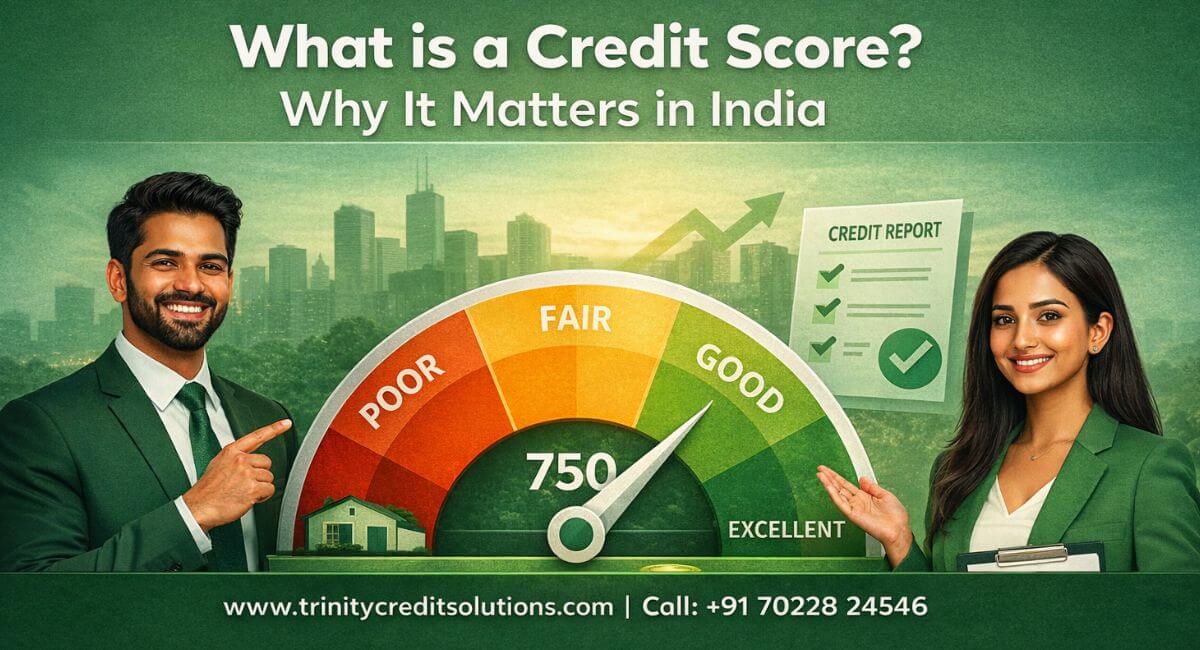
Buying a home in 2026 is a major financial milestone — and your CIBIL score plays a decisive role in determining whether your loan gets approved, the interest rate you pay, and how much you ultimately save.
As of early 2026, most major Indian lenders are offering home loan interest rates between 8.35% and 9.75% per annum, depending on the borrower’s credit profile, income stability, and loan amount. Even a 0.50% difference in interest rate can change your EMI by thousands of rupees over a 20-year tenure.
If you’re planning to apply for a home loan in India, this detailed guide will explain:
• What CIBIL score is required in 2026
• How banks evaluate different score ranges
• Interest rate impact across score bands
• Bank-wise minimum score requirements
• How to improve your score before applying
Let’s break it down clearly.
Key Takeaways (2026 Updated)
• ✅ 750+ CIBIL score gives the best interest rates (8.35%–8.60%)
• ✅ 700+ score is generally acceptable for most banks
• ⚠️ 650–699 score may attract higher rates (9.25%–9.75%)
• ❌ Below 600 significantly reduces approval chances
• 💰 Higher CIBIL score = Lower EMI + Higher loan amount eligibility
• 🏦 RBI regulations link risk-based pricing to credit profile
• 📉 Improving score by even 50 points can reduce total interest by ₹3–10 lakhs
Why CIBIL Score Matters for Home Loan Approval
Your CIBIL score (300–900) reflects your creditworthiness. Banks use it to measure:
• Repayment discipline
• Credit utilization
• Loan history
• Default patterns
• Recent credit inquiries
In 2026, lenders follow risk-based pricing models, meaning borrowers with higher scores get preferential interest rates and better loan terms.
Why banks rely heavily on CIBIL:
1. It predicts default probability.
2. It determines risk-based interest rate.
3. It affects loan-to-value (LTV) approval.
4. It influences processing speed.
5. It impacts negotiation power.
Simply put:
Higher score = Lower risk = Better deal
RBI and Government Updates in 2026
The Reserve Bank of India continues to allow lenders to adopt risk-based pricing. After repo rate fluctuations in 2024–2025, banks have stabilized lending rates in the 8.35%–9.75% range.
Key 2026 highlights:
• Floating rates remain linked to EBLR/RLLR.
• LTV caps remain:
o Up to ₹30 lakh: 90%
o ₹30–75 lakh: 80%
o Above ₹75 lakh: 75%
• Risk-based differential pricing allowed.
• Stricter monitoring of high-risk borrowers.
Translation:
Your CIBIL score directly impacts your pricing bracket.
Detailed CIBIL Score Breakdown for Home Loan (2026)
800–900 (Excellent Zone)
Approval Probability: 95–100%
Interest Rate Impact: 8.35% – 8.55%
LTV Ratio: Maximum allowed (up to 90%)
Processing: Fast-track approval
Negotiation Power: Very High
This is the premium borrower category. Banks compete for such profiles.
Benefits:
• Zero or reduced processing fee
• Higher loan eligibility
• Flexible tenure options
• Quick sanction within 3–5 days
On ₹50 lakh loan (20 years):
• At 8.40% EMI ≈ ₹43,200
• Saves ₹4–6 lakhs vs 9.25% borrower
750–799 (Safe Zone)
Approval Probability: 90–95%
Interest Rate: 8.50% – 8.75%
LTV Ratio: 80–90%
Processing: Standard documentation
Negotiation Power: Strong
Most salaried professionals fall in this bracket.
Still eligible for competitive offers from:
• State Bank of India
• HDFC Bank
• ICICI Bank
Minor interest difference compared to 800+ category.
700–749 (Acceptable Zone)
Approval Probability: 75–85%
Interest Rate: 8.75% – 9.10%
LTV Ratio: 75–85%
Processing: Additional scrutiny
Negotiation Power: Moderate
You may:
• Need income stability proof
• Require lower FOIR
• Face slightly higher rate
EMI impact on ₹50 lakh loan:
• At 9.00% EMI ≈ ₹44,986
Difference over 20 years: ~₹4 lakh extra vs 8.40%.
650–699 (Grey Zone)
Approval Probability: 50–65%
Interest Rate: 9.25% – 9.75%
LTV Ratio: 70–80%
Processing: Strict underwriting
Negotiation Power: Low
Banks may:
• Ask for co-applicant
• Require higher down payment
• Demand salary slips for 12 months
Processing time: 7–15 days.
550–649 (Challenging Zone)
Approval Probability: 25–40%
Interest Rate: 10%+ (NBFCs)
LTV Ratio: 60–70%
Processing: High documentation
Negotiation Power: Very Low
Mostly NBFC route:
• Tata Capital
• LIC Housing Finance
Expect:
• Higher EMI
• Strict verification
• Possible collateral review
Below 550 (High Rejection Zone)
Approval Probability: Under 10%
Interest Rate: Very High
LTV Ratio: Minimal
Processing: Likely rejection
Most banks will reject unless:
• Strong co-applicant
• Significant collateral
• Debt settlement completed
Improvement required before applying.
Bank-Wise Minimum CIBIL Score for Home Loan (2026)
Bank/NBFC Minimum Score Ideal Score Interest Rate Range
SBI 700 750+ 8.40%–9.20%
HDFC Bank 700 750+ 8.45%–9.50%
ICICI Bank 700 750+ 8.50%–9.60%
Axis Bank 700 750+ 8.60%–9.75%
LIC Housing Finance 650 725+ 8.65%–10.00%
Tata Capital 650 725+ 9.00%–11.00%
PNB Housing Finance 650 700+ 8.75%–9.80%
How CIBIL Score Affects Your Home Loan
1. Interest Rate
Higher score = lower rate = lower EMI.
2. EMI
Example ₹50 lakh (20 years):
• 8.40% → ₹43,200 EMI
• 9.50% → ₹46,607 EMI
Difference: ₹8 lakh+ total interest.
3. Loan Tenure
High score → Longer tenure flexibility (up to 30 years).
4. Processing Fees
High score borrowers often get waivers.
5. Co-Applicant Requirement
Low score applicants may require financially strong co-borrower.
Is Home Loan Possible With Low CIBIL Score?
Yes — but with conditions:
• Higher interest rate
• Larger down payment
• Strong co-applicant
• Lower loan amount
• NBFC financing route
Best approach: Improve score before applying.
Step-by-Step Guide to Improve CIBIL Score Before Applying
1. Check credit report for errors.
2. Pay credit card dues in full (not minimum).
3. Keep credit utilization under 30%.
4. Avoid multiple loan inquiries.
5. Close small personal loans.
6. Clear overdue accounts immediately.
7. Maintain EMI consistency for 6 months.
8. Avoid loan settlement; prefer closure.
Improvement timeline: 3–6 months.
Conclusion: What Should You Aim For in 2026?
If you are planning to apply for a home loan in India in 2026, your target CIBIL score should be:
👉 Minimum: 700
👉 Safe: 750+
👉 Ideal: 800+
Your CIBIL score directly impacts:
• Interest rate
• EMI
• Loan eligibility
• Approval speed
• Negotiation strength
A small improvement today can save lakhs tomorrow.
Need Expert Help?
If your CIBIL score is low or you want to secure the lowest possible home loan interest rate in 2026, consult:
Trinity Credit Solutions
We help borrowers:
• Improve CIBIL score
• Remove credit report errors
• Structure loan applications
• Negotiate better interest rates
• Increase approval chances
📞 Don’t let a low score delay your dream home.
Take action today and unlock better home loan opportunities with Trinity Credit Solutions.
Frequently Asked Questions
Should I apply with 680 score?
Better to improve to 720+ for better pricing unless urgent.
Does checking CIBIL reduce score?
Self-check does not reduce score. Multiple bank inquiries do.
Do NBFCs approve low CIBIL borrowers?
Yes, but at higher interest rates and stricter conditions.
Is 800 CIBIL score necessary?
Not mandatory, but it gives maximum negotiation power and lowest rates.
Can I improve my CIBIL score in 3 months?
Yes, by clearing dues, reducing utilization, and avoiding new credit inquiries.
Does higher CIBIL score reduce EMI?
Yes. Even 0.5% lower rate significantly reduces EMI and total interest payable over tenure.
Can I get a home loan with 650 CIBIL score?
Yes, but approval depends on income stability and debt levels. Interest rates may be higher (9.25%+).
What is the minimum CIBIL score required for a home loan in 2026?
Most banks require a minimum score of 700. However, the ideal score is 750 or above to secure the best interest rates and faster approvals.

Trinity